
A Practical Guide to Crafting a Lush Garden Pond with Native and Exotic Plants
Create a thriving pondscape by selecting resilient pond plants, balancing water lilies with marginal plants, and choosing british pond plants that suit your climate.
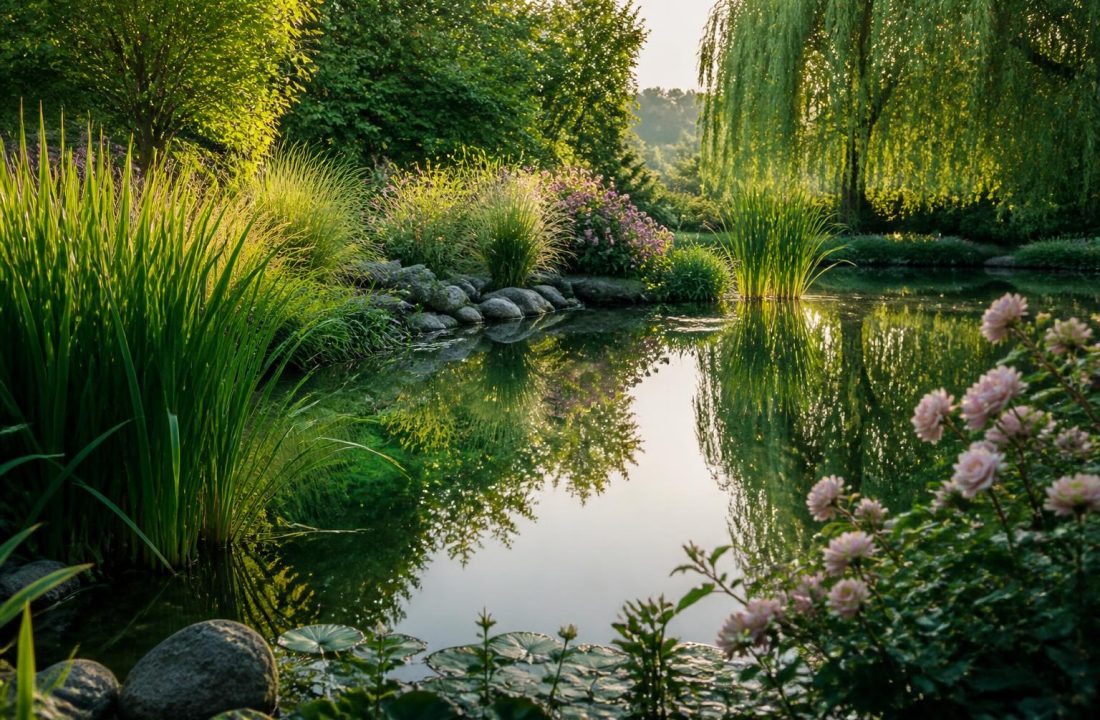
Choosing the Right Pond Habitat and Plant Mix
A thriving pond starts with understanding its microhabitat: depth, sunlight, and water movement all shape which pond plant species will prosper. Start by measuring how much sun your pond receives; full sun encourages water lilies, while dappled light favors marginal pond plants such as iris and rushes. Consider a tiered layout with deeper zones for aquatic varieties and shallow shelves for marginals, ensuring roots have space to spread and oxygen remains ample for fish and beneficial bacteria. This thoughtful setup reduces algae pressure and supports a balanced ecosystem. Buy Water Lilies to anchor your planting plan.
To avoid overcrowding, plan plant distribution by zone: place tall water lilies toward the center or back, with mid-height marginal species edging the banks, and low-growing carpet plants at the margins. This layering creates visual interest and keeps water movement consistent, which helps prevent stagnation. Use native british pond plants where possible to reduce maintenance and environmental impact while still achieving a lush, wildlife-friendly appearance.
Texture and Structure
- Depth stratification guides plant choices and maximizes light penetration.
- Color and foliage texture add seasonal drama without overcrowding.
- Marginal pond plants anchor the edge and soften brick or stone boundaries.
Water Lilies: Centerpiece and Balance
Water lilies provide a classic silhouette with broad, glossy leaves that shade the water and deter algae growth. Select hardy varieties with sturdy rhizomes and reliable blooming patterns; choose a color palette that harmonizes with surrounding greens—pale pinks and whites for a serene lagoon mood, or bold yellows for a sunny focal point. Proper planting depth, usually 15–20 inches for mature lilies, ensures robust blooms and prevents the leaves from reaching the surface too early in the season.
Pair water lilies with compatible companions that won’t compete for the same space. Use tall varieties toward the rear and mid-height lilies closer to the center to create a layered effect. Regularly monitor oxygen levels and nutrient input, since lilies can influence dissolved gases and sedimentation. A well-timed spring feed jumpstarts growth and supports vibrant flowering throughout summer.
British Pond Plants: A Climate-Smart Choice
British pond plants offer reliability in temperate climates, reducing the risk of cold snaps damaging sensitive species. Native marginals like common reed, purple loosestrife (where legally allowed), and water mint provide refuge for beneficial insects and birds while helping keep the water cool and clear. When choosing plants, look for cultivars labeled as hardy or suitable for UK ponds to maximize winter survival and spring vigor.
Incorporate aquatic grasses and rushes to add movement and sound to the pondscape. These species resist cold snaps and can anchor the edges against erosion. Layer grasses with floating plants to create a dynamic, ever-changing surface that supports a healthy balance of microorganisms beneath and encourages wildlife visitation without attracting pests. Avoid over-planting, which can suffocate water circulation and cause oxygen depletion.
Marginal Pond Plants: Edges that Frame the View
Marginal pond plants are the unsung heroes of a naturalistic water feature, softening edges and creating a transitional zone between land and water. Choose species with shallow root systems that tolerate occasional damp soil and sun-welcoming mulch. Iris, pickerel weed, and cardinal flower provide vertical accents, while low-growing margins like horsetail or sedge anchor the bank with texture and movement that shift with the breeze.
Think seasonality when selecting marginal candidates; some emerge early in spring with bold foliage, while others sustain color into autumn. Plant margins in small clumps to enhance microhabitats for invertebrates and amphibians. Regularly prune to prevent overgrowth and ensure air circulation along the water line, which helps maintain clarity and reduces stagnation at the edges.
Seasonal Care: Feeding, Pruning, and Cleaning Routines
Seasonal maintenance keeps the pond healthy and visually appealing. In spring, inspect lilies for damaged rhizomes and feed with a pond-specific fertilizer to encourage vigorous growth. Trim dead foliage and lift crowded clumps to replant and maintain airflow. The goal is to promote balanced algal control while preserving beneficial microbial life that processes nutrients and supports clear water.
During summer, monitor water quality and avoid overfeeding fish, which can skew nutrient balance. Remove spent flowers from water lilies to prevent seed set and maintain a tidy appearance. In autumn, prepare the pond for cooler months by reducing feeding frequency and removing decaying leaves from marginal plants. A light mulch layer helps insulate roots and preserves moisture levels through the winter.
Overwintering and Long-Term Vision
Overwintering strategies preserve plant vitality and ensure a ready spring flush of growth. For hardy species, ensure some depth remains open to prevent complete freezing and protect rhizomes with a light mulch. In shallower margins, tuck marginal pond plants into slightly raised beds or pots that can be lifted if frost threatens. A durable net or cover can deter leaf litter and maintain water quality without creating a harsh barrier for resident wildlife.
When planning long-term, consider integrating a micro-ecosystem approach: a mix of floating, rooted, and marginal plants supports diverse organisms and stabilizes nutrient cycles. Regularly rotate plantings to maintain visual interest, swapping out older specimens for fresh cultivars that continue to respond well to seasonal changes. A thoughtful combination of pond plant types yields a living tapestry that evolves with the garden year after year.
More stories
 Home
Aquatic Edges: Creating a Welcoming Pond Garden with Practical Home Improvement and Interior Flair
Home
Aquatic Edges: Creating a Welcoming Pond Garden with Practical Home Improvement and Interior Flair
 Real Estate
Smart Strategies for Navigating Real Estate: From First Home to Investment Property
Real Estate
Smart Strategies for Navigating Real Estate: From First Home to Investment Property
 Casino
Strategi Bermain Slot Online Tanpa Ribet: Panduan Lengkap untuk Slot Dana dan Permainan Uang yang Aman
Casino
Strategi Bermain Slot Online Tanpa Ribet: Panduan Lengkap untuk Slot Dana dan Permainan Uang yang Aman