Aquatic Edges: Creating a Welcoming Pond Garden with Practical Home Improvement and Interior Flair
Transform pondside spaces with practical home improvement ideas, blending interior comfort and garden charm for a serene, stylish water feature.

Choosing a Pond Style That Complements Your Home
A thoughtful pond design begins with the architecture of your home and the rhythm of your landscape. Consider whether you want a formal, geometric edge or a natural, meandering shoreline that blends with existing planting. This choice guides plant selection, stonework, and lighting, ensuring the water feature feels like a seamless extension of your interior decor rather than an afterthought. Buy Water Lilies can anchor a balanced palette that complements house tones and outdoor furniture, while providing movement and color across seasons.
Plan pathways and seating to create intimate vignettes around the water, inviting guests to linger. A compact fountain can deliver a soothing soundscape without overwhelming a small yard, while a larger oasis might showcase a sculptural pump and layered planting. By aligning the pond’s shape with architectural lines, you reinforce a cohesive home improvement narrative that fuses interior comfort with exterior living spaces.
Soil, Drainage, and Substrate: Laying a Solid Foundation
Healthy pond bedding begins with well-prepared soil and a reliable drainage system. Evaluate the site for sun exposure, drainage paths, and potential runoff from rainstorms. Layer pond liners or preformed basins with a protective underlayment to minimize punctures and extend lifespan. Regularly inspect edges where soil can settle, and add gravel or sand to create a stable moat that supports aquatic plants while keeping margins visually tidy for ongoing gardening and maintenance tasks.
Incorporating a biofilter and gentle aeration helps maintain water quality, reducing algae buildup and supporting a balanced ecosystem. Choose substrate colors that harmonize with your chosen decor and plant palette, ensuring the water’s surface reflects light in a way that enhances interior-inspired comfort. This careful groundwork is essential for a durable, low-maintenance feature that remains inviting through seasons.
Water Plants: The Green Layer of Your Pond
Healthy water plants provide essential structure, shade, and nutrient balance for a thriving pond. Start with hardy varieties that suit your climate and water depth, then gradually expand to include floating species for surface cover and rooted plants for vertical interest. Regular pruning keeps growth in check and prevents overcrowding, which can suffocate beneficial microfauna and reduce the water’s overall clarity. Consider color contrasts and varying leaf textures to echo interior decor textures within your garden design.
A simple planting plan can guide seasonal color changes, with spring bulbs pushing up near the margins and summer lilies creating focal points on calm afternoons. Avoid overcrowding by providing staggered planting zones and occasional repositioning as plants mature. For a classic, elegant touch, place taller specimens toward the back and lower-edged species at the forefront to maintain depth and readability from multiple vantage points in your home garden.
Lighting and Ambience: Extending Your Living Space After Sunset
Well-placed lighting turns a pond into an inviting living space after dark, enhancing safety and mood without overwhelming the night sky. Use a mix of low-voltage LEDs along the path, subtly uplighting a feature tree, and soft under-shelf lighting to accent edges and water movement. Timers and smart switches let you simulate daily routines, aligning garden ambience with interior living hours and preserving energy efficiency as part of thoughtful home improvement planning.
Consider a water feature that produces a gentle ripple and a distant fountain chime, which works in tandem with outdoor seating to create a tranquil retreat. When choosing fixtures, select warm color temperatures that resemble indoor lighting to maintain a cohesive decor style. Thoughtful lighting elevates the pond from a simple backyard project into an inviting extension of your interior world.
Seating, Furniture, and Textiles: Bringing Comfort Outdoors
Outdoor furniture should mirror the comfort and scale of your indoor spaces while remaining durable against weather. Opt chairs and a table with weather-resistant cushions in earthy tones or soft neutrals that resonate with interior textiles. Incorporate throw blankets and decorative pillows that echo the garden’s plant colors, creating a cohesive look that ties the two rooms together. Thoughtful arrangement allows for intimate conversations near the water and practical functionality for ongoing maintenance tasks.
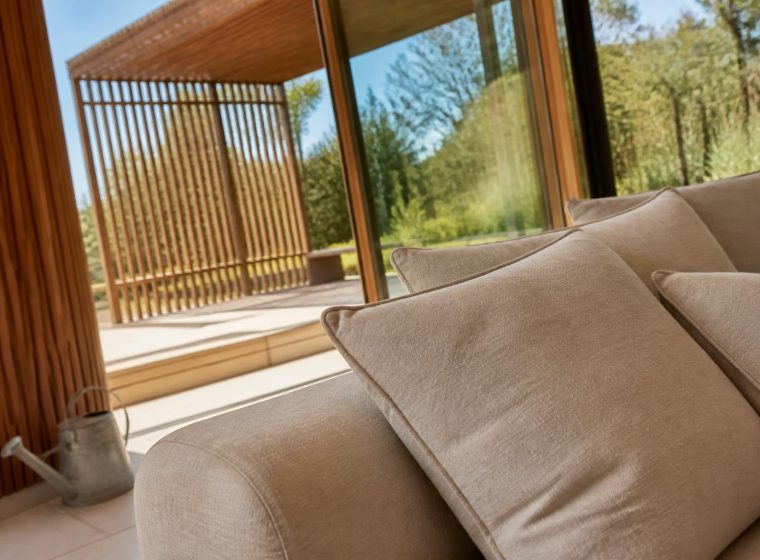
Add a sheltered seating nook with a pergola or lattice to provide shade during hot afternoons, supporting extended use of the pond area. Nearby planters can host annual color shifts and fragrance, echoing interior seasonal decor schemes. By prioritizing comfort, scale, and texture, you create a natural transition zone that feels like an extension of your home’s living space rather than a separate outdoor room.
Maintenance Routines: Simple Regular Care for Long-Term Beauty
Establishing a clear maintenance routine reduces the risk of algae blooms, plant overgrowth, and mechanical failures. Schedule monthly checks for pump operation, filter cleanliness, and water chemistry, plus seasonal pruning of aquatic plants and leaf removal from the surface. A dedicated tool caddy near the pond makes routine tasks efficient, while a simple rain gauge helps you adjust watering for surrounding shrubs and decorative beds without overdoing irrigation.
Adopt a consistent approach to debris management, including a skimmer basket and a quick check on biofilter media. Keep a log of changes in plant health and water clarity to inform future improvements in your home improvement projects. Regular, systematic care preserves the pond’s health and keeps it looking polished alongside interior spaces throughout the year.
Naturalistic Edges: Blending Stone, Soil, and Planting
Naturalistic edges use a mix of rounded stones, mulch, and softly contoured bank lines to create a seamless transition from water to planting beds. Layer rocks of varied sizes to break edges and guide foot traffic, while planting a mix of grasses and perennials that tolerate damp soils at the water’s edge. This approach emphasizes texture and rhythm, producing a garden that feels both curated and wild—a balance often sought in interior-inspired landscapes.
Incorporate drip irrigation lines to feed marginal plants with minimal waste, and use pea gravel to create a gentle slope that reduces erosion and improves habitat for beneficial insects. A soft, organic edge invites wildlife and enhances visual depth, giving your pond a mature, intentional appearance that complements interior decor and elevates the overall home garden experience.
Texture and Seasonal Texture: A Quick Texture Checklist
- Stone variety contrasts (slate, granite, river rock)
- Plant foliage textures (broadleaf, needle, feathery)
- Seasonal color shifts (spring bulbs, summer lilies, autumn grasses)