
Mastering Competitive Play: A Practical Guide to Elevating Your Gaming, Esports, and Review Skills
A practical, no-nonsense guide to leveling up in gaming, from strategy and practice to esports culture and insightful game reviews.
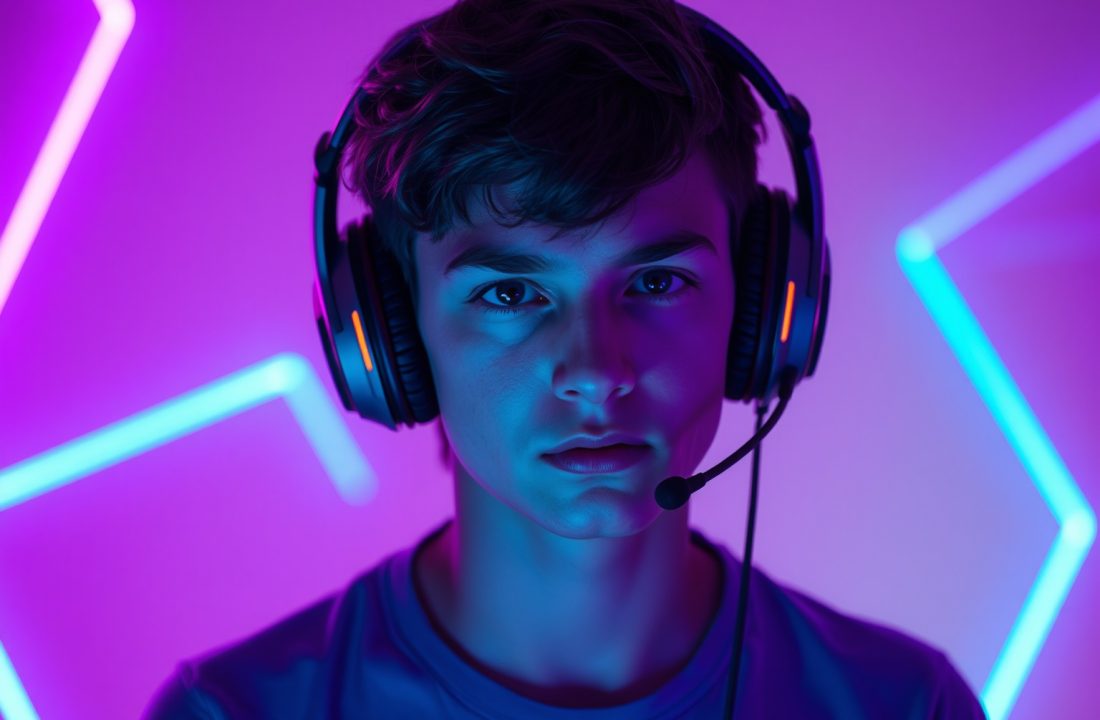
Foundations of Competitive Gaming and Learning Momentum
Beginning with a structured mindset is essential for sustained improvement in gaming, whether you play casually or aspire to be an esports competitor. A disciplined routine balances warm-up, focused practice, and reflective review, allowing you to convert daily sessions into tangible skill gains. To anchor motivation, establish measurable targets for aim, map knowledge, and decision speed, then track progress with honest metrics that reveal where adjustments are needed. Panduan Login Jemputhoki offers a peek into how routine and accountability can accelerate onboarding for new players seeking competitive pathways, while avoiding common beginner plateaus that stall growth.
In this foundational phase, you should curate a reliable training regimen that blends drills, scrimmages, and scenario-based practice. Focus on core mechanics—timing, precision, and spatial awareness—before layering micro-decisions such as post-plant positioning or clutch risk assessment. Cultivate a healthy critique habit by recording sessions, labeling mistakes, and implementing one concrete fix per session, so improvement remains incremental and sustainable rather than overwhelming.
Developing a Game-Specific Skillset for Video Games
Video games demand both broad strategic thinking and fine-grained execution. To build a versatile skillset, rotate between aim practice, map exploration, and tendency analysis of opponents. Use targeted drills that test your reaction time and decision quality under pressure, then translate those gains into real matches where you adjust for team dynamics and resource management. Sustained focus on these pillars yields faster climb rates and a deeper understanding of meta shifts that shape tournament play.
Beyond mechanical prowess, invest in tacit knowledge like callouts, timing windows, and safe utility usage. Develop a personal playbook that notes common enemy patterns, preferred flanking routes, and safe recovery options after blunders. This documented framework supports faster in-game adaptation and makes learning from losses more actionable, which is critical for advancing in both casual ladders and upper-tier competitions in gaming ecosystems.
Esports Culture and the Psychology of Competition
Esports culture blends high-stakes performance with a community-driven ecosystem that rewards preparation, teamwork, and composure under pressure. Cultivate a mindset that treats scrims and tournaments as serious practice rather than mere entertainment, while maintaining sportsmanship and collaborative communication. The psychology of pressure, including pre-match routines and post-game reflection, often differentiates consistent performers from flashes of brilliance that fade after a loss.
Team dynamics play a central role in esports success. Develop clear roles, establish leadership norms, and implement constructive feedback loops within your squad. Regular review sessions with objective data help align strategies, while fostering a culture where mistakes are analyzed without personal blame. When the team operates with shared goals and transparent communication, the potential for sustained excellence in competitive gaming becomes tangible.
Game Reviews as a Tool for Skill and Knowledge Expansion
Game reviews are more than opinions; they function as structured learning tools that sharpen critical thinking about design, balance, and player experience. When evaluating a title, examine mechanics, pacing, and accessibility, then connect these observations to personal playstyle and potential counter-strategies. A thoughtful review format—highlighting strengths, weaknesses, and practical takeaways—helps you translate insights into tactical adaptations in your own matches.
To maximize value, compare multiple games within the same genre to identify recurring design patterns that influence balance and competition. Document how changes in patch notes affect gameplay dynamics and pros’ strategies, then test these hypotheses in practice sessions. This disciplined approach to viewing video games as systems enables you to spot opportunities for improvement that casual play often overlooks.
Hardware and Setup: Creating a Reliable Training Environment
Having a stable, well-calibrated setup reduces frustrating disruptions and enables consistent practice. Prioritize a comfortable chair, an appropriate monitor refresh rate, responsive peripherals, and a clean audio profile that helps you hear crucial cues. A dedicated practice area minimizes distractions and signals to your brain that focused work is in progress, which improves concentration during crucial moments in matches and during review sessions.
Optimizing your network and software stack also matters, particularly when streaming or competing online. Use wired connections where possible, enable quality-of-service features on routers, and maintain clean task environments to avoid performance hiccups. Regularly update drivers and confirm that your practice builds mirror your competition setups to prevent last-minute environmental surprises during events.
Strategic Practice: From Drills to Decisive In-Game Plays
Strategic practice blends drill-based repetition with scenario-focused decision making. Start with micro-drills to solidify aim, recoil control, and movement, then escalate to macro drills that simulate map control, objective timing, and resource allocation under real pressure. By framing sessions around specific outcomes, you create a feedback loop where each drill directly informs your in-game decision quality and escalation plans in team play.
To accelerate growth, alternate between solo practice and coordinated team drills that mirror tournament environments. Solo work hones fundamentals; team drills teach synergy, shot-calling, and coordinated entry or defense. This balance fosters a resilient gameplay frame that adapts to evolving metas and keeps you consistently ready for both ranked ladders and organized competition in the esports space.
Long-Term Growth: Crafting a Personal Competitive Narrative
Long-term growth hinges on building a personal narrative that ties together progress, setbacks, and evolving goals. Establish milestones across different axes—mechanics, map knowledge, teamwork, and mental fortitude—and revisit them quarterly to stay aligned with your evolving skill ceiling. Your narrative should also reflect adaptability to patch changes and shifting meta, ensuring you remain competitive as games evolve through updates and new releases.
Finally, integrate community engagement into your trajectory. Analyze top players’ streams, participate in constructive discourse, and contribute insights from your own practice log. A robust support network, combined with evidence-based self-assessment, compounds learning, sustains motivation, and anchors your path from enthusiastic hobbyist to consistently competitive gaming participant in the esports ecosystem.