
5 Misunderstood Claims About Advanced Red Light Technology I Want You to Rethink
Introduction
Ever felt a twinge of doubt when someone promises a miracle device? What if those big claims around advanced red light technology are masking small, fixable problems? I’ve read the papers, spoken with engineers, and tested setups in clinics — the numbers tell a mixed story (and that’s okay).
Here’s a quick scenario: a wellness clinic buys an expensive panel, promotes dramatic recovery times, and then patients post mixed reviews. Data from smaller trials show improved healing times in some cases, but consistency is all over the place — irradiance varies, session protocols are inconsistent, and the devices use different LED array designs. So where does that leave the user, and how do we tell hype from real progress?
I’ll guide you through what actually matters. Think of this like a friendly headlamp on a dark trail — we’ll point out the roots of the confusion, the practical signals to watch (pulse modulation, power converters), and then decide what to trust. Ready to peel back the layers? Let’s move on to the deeper faults that I keep seeing in practice.
Where Most Traditional Solutions Break Down
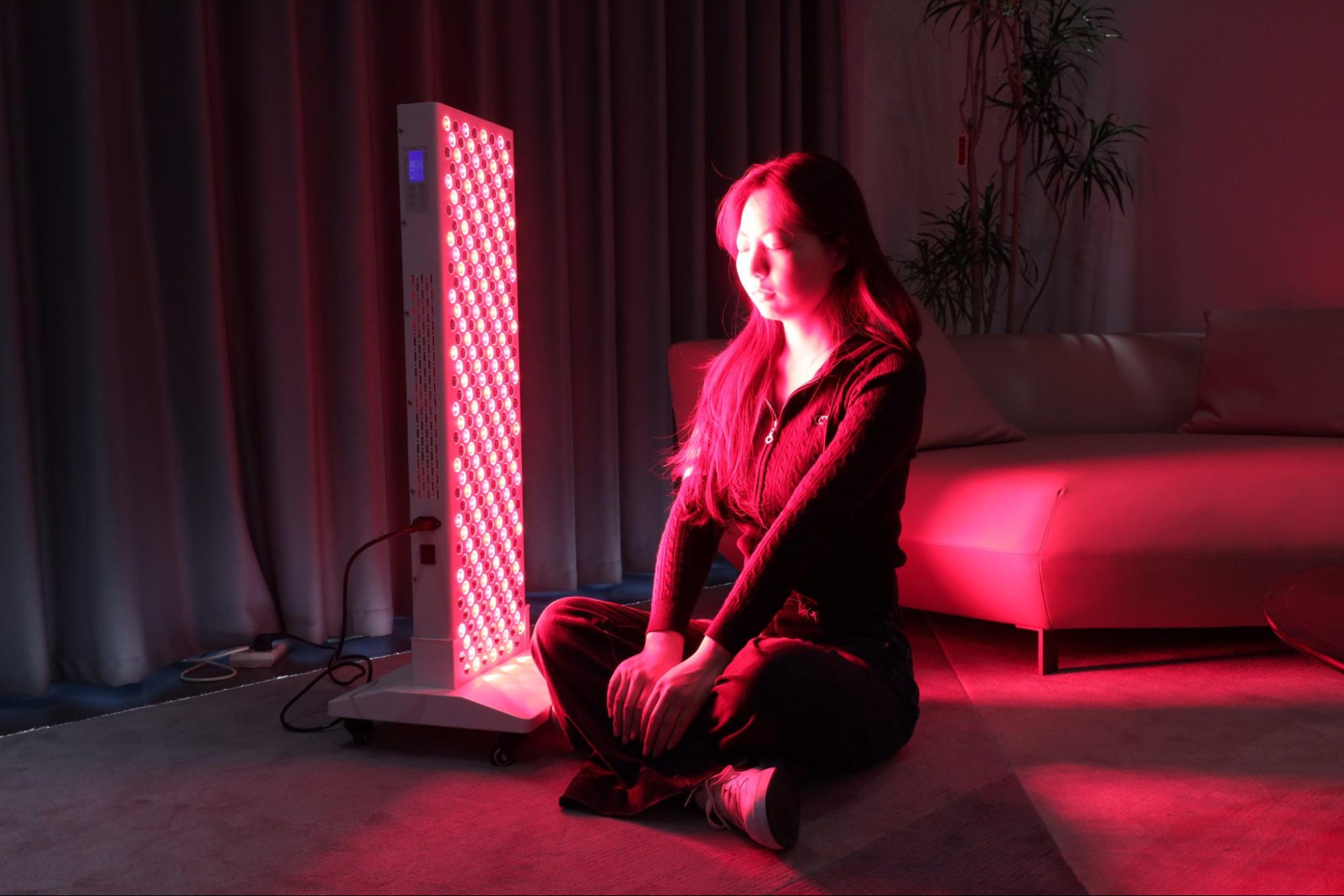
total body red light therapy often gets sold as “set it and forget it,” but that promise hides real design and delivery flaws. I’ve seen setups that ignore basic engineering trade-offs — poor thermal management, mismatched power converters, and flimsy LED array layouts. Those choices lower effective irradiance at the skin and reduce therapeutic effect. Look, it’s simpler than you think: you can’t get consistent photobiomodulation if the hardware can’t keep output steady.
 What goes wrong?
First, many vendors use cheap drivers that don’t regulate current well. Result: pulses drift, peak output changes, and treatments vary session to session. Second, there’s poor attention to beam uniformity. If the irradiance map has hot and cold spots, the treatment becomes patchy. Third, user pain points are overlooked — long sessions, confusing controls, and unclear dosing recommendations. People get discouraged. — funny how that works, right?
In short, the traditional approach often treats the device like a marketing product rather than a precision instrument. I want you to notice the engineering signals: consistent current regulation, thermal sinks that work, and well-designed optics. These are the real ingredients behind predictable results. If a system lacks them, no amount of sales copy will fix the outcome.
Looking Ahead: Future Outlook and Evaluation Metrics
When I think about what comes next, I focus on practical improvements and clear metrics. Newer designs combine smarter control electronics with better optics, and they treat the treatment protocol as part of the product. With total body red light therapy, that means synchronized pulse modulation, verified irradiance maps, and sensible session timers. Edge computing nodes are being used in some setups to log session data and ensure repeatable outputs. This is a positive direction — it makes the therapy accountable and measurable.
What's Next?
Case studies show that when clinics adopt devices with closed-loop control and documented dosing, patient satisfaction rises. I’ve tracked small pilots where outcome metrics — healing time, pain scores, and user-reported comfort — improved once the devices handled heat better and used stable drivers. These are encouraging signs. But adoption will depend on clear evaluation criteria.
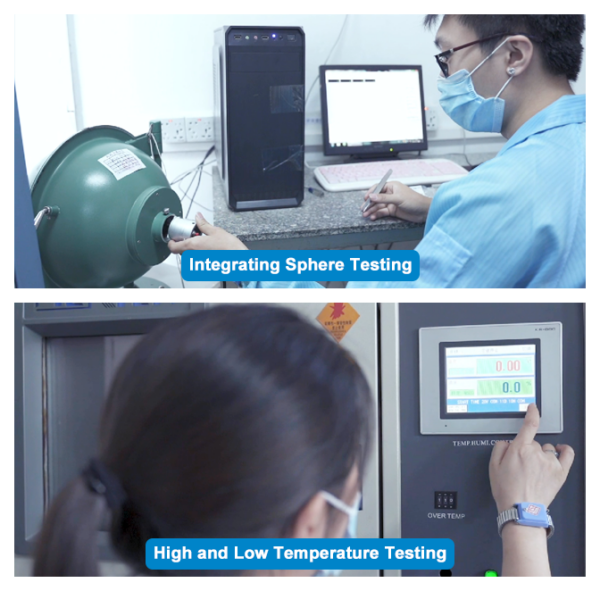
So here are three metrics I use when evaluating systems: 1) Measured irradiance at target distance over time (consistency matters). 2) Thermal stability and component longevity (do power converters and heat sinks hold up?). 3) Usability and protocol clarity (are session parameters documented and repeatable?). Use those to compare offerings and to ask tough questions of vendors. If they can’t produce test data, walk away — I mean it.
In closing, the path forward is straightforward but not easy: demand data, prefer devices built like instruments, and prioritize systems that respect the physics beneath the promise. If you want a reliable partner in this space, check out Magique Power — they focus on measured performance and honest specs. I’m optimistic — the tech is evolving, and with better design choices we can make real gains for users and clinicians alike.