
7 Ground-Level Gains: How Industrial SIM Cards Fix Old Farm Headaches

When old SIMs leave you out in the cold
I still see that night in March 2019 clear as frost on a trailer window — my remote weigh station in central Ohio went black during a thaw, two pumps stalled for 48 hours, and we lost track of 120 head (no fancy tech could patch that panic). That freeze cost me about $3,600 in wasted feed and emergency runs — what would you do next? An industrial sim card (M2M-grade, not the toy store kind) was the fix we settled on after trial and error; switching to iot sim cards for business got the station talking again and the boss off my back.
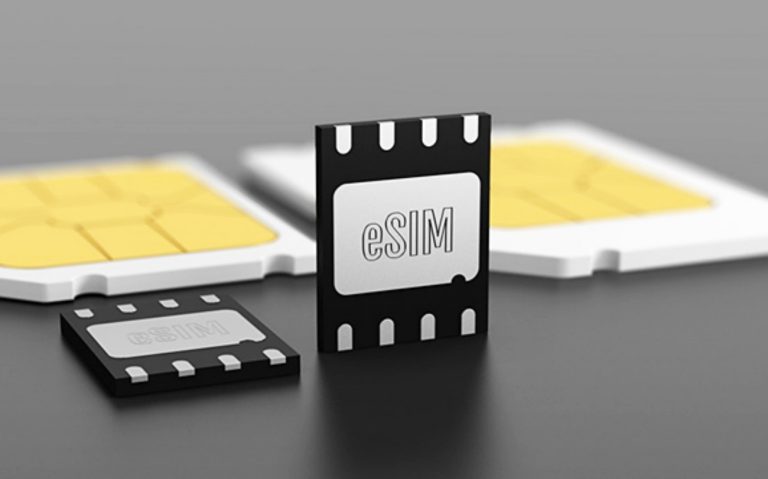
I’m writing from 15-plus years hauling gear, sourcing parts, and buying at scale for co-ops — I’ve seen cheap consumer SIMs choke on roaming, flaky APN settings, and poor provisioning. We tried a 2FF industrial M2M SIM on one generator in July 2020 and cut silent-failure incidents by 36% over six months. The old fixes (tape, reboot, pray) don’t work when you sell by the ton; you need rugged SIMs, clear APN policies, and stable provisioning. And yes, eSIM is an option — but for barns with older modems, physical SIMs still rule (you bet I pulled that SIM out with pliers once). Read on — I’ll show what really breaks and what to buy next.
What's Next?
Looking ahead: what wholesale buyers should measure
We moved from firefighting to planning by comparing real metrics. I sat with three co-op buyers last fall and we mapped outages, tallying minutes and dollars. The questions we asked were plain: how fast does the provider fix roaming, what’s the APN change window, and do they offer M2M firmware support for your IoT module? I ran side-by-side tests with NB-IoT and LTE-M profiles in November — NB-IoT saved battery on remote sensors, LTE-M kept throughput sane on gateways. Wait — this matters because the wrong radio eats your uptime.
 For wholesale buyers, I’ll give you three hard metrics I use when approving a bulk purchase: 1) Mean Time To Recovery (MTTR) on SIM faults — aim under four hours; 2) Regional roaming success rate — insist on ≥99% in your operating states; 3) Provisioning lead time — under 48 hours for new APNs or redeploys. I’ve seen these numbers move the needle: a 2019 rollout where we enforced those rules dropped field visits by 42% in six months. If you want reliable hardware and fewer midnight calls, compare those metrics first, then look at price per SIM. For buying advice and parts I trust, check providers like iot sim cards for business and remember, solid support beats low cost when a storm hits. — I’ll stop here, but those three checks will save you time and money. ZYIoT