
What to Ask Before You Swap Out Your Laser Engraver Fume Extractor
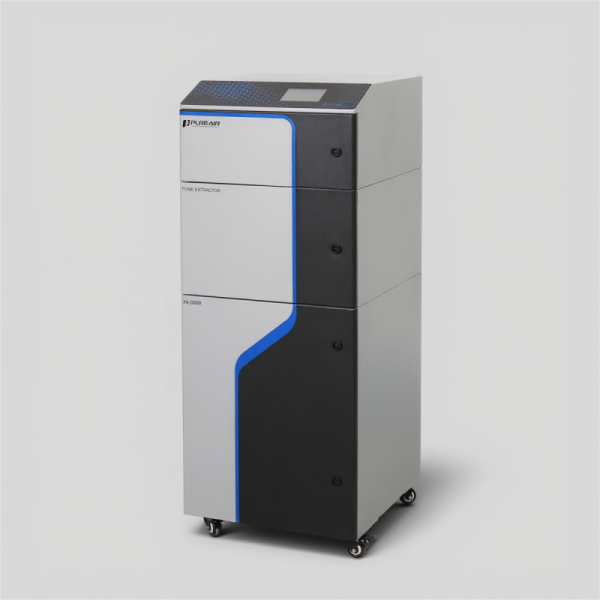
Introduction — a quick shop scene
Man, I been in that tiny workshop where the air gets thick real fast — you know the one: wood dust in the corners, plastic fumes hanging like fog. Right after you fire up that laser, the smoke rolls out and somebody says, "We need a better set-up." Now, when you talk about a laser engraver fume extractor, you gotta think beyond just a fan. Studies show small particles and VOCs can spike in minutes (and yes, that’s dangerous), so what do you really need to change — filters, airflow, or habits?
I’m asking that because I’ve seen folks buy the loudest unit on the rack and still cough after an hour. So let’s walk through this — plain and true — and get you thinking in real terms before you spend cash. Next, we’ll dig into why the usual fixes often don’t work and what folks miss.
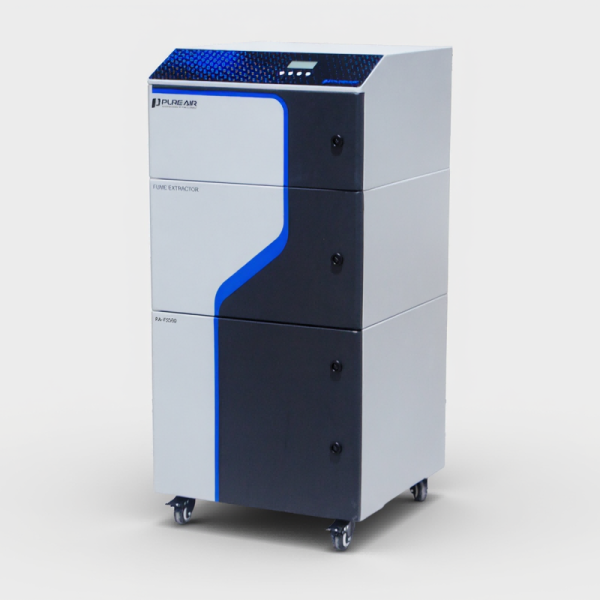 Why most quick fixes don’t cut it
air purifier for laser engraver units get sold like they’re plug-and-play, but I’ll tell you: the headline specs don’t tell the whole story. A lot of systems lean heavy on a single HEPA filter or an activated carbon stage and call it day. In reality, particle size, chemical makeup, and airflow dynamics all matter. If your filtration media can trap large dust but not ultrafine particulates or volatile organic compounds, you still breathe bad air. I’ve tested setups where the listed CADR looked fine, but the VOC sensors in the room showed dangerous peaks. Look, it’s simpler than you think — and then again, it ain’t.
So where’s the gap?
First, many systems ignore airflow rate and placement. You can have a top-grade filter but poor suction at the laser head, so fumes escape before getting filtered. Second, maintenance is a blind spot: clogged pre-filters, saturated activated carbon, worn-out seals — these all drop performance fast. Third, sensor integration is weak; you need real-time VOC sensors and pressure monitors to know when a filter’s doing its job. I want to be blunt: buying by brand or fan speed alone is gamble. We should be measuring particle counts, VOC levels, and static pressure together — that’s the trio that tells the truth.
Looking ahead: new principles for cleaner shops
Now let’s talk about smarter designs and what I’d recommend you look for next. Modern units blend multi-stage filtration with targeted capture — think local capture at the nozzle, then HEPA plus activated carbon, and finally a diagnostics layer (VOC sensors, pressure gauges). A good air purifier for laser engraver will combine those elements so the fumes never get a chance to spread. I believe systems should be modular: swap the carbon pack when chemistry changes, upgrade the sensor board if you need finer resolution. This approach cuts wasted energy and keeps maintenance simple — because let’s be honest, nobody enjoys fighting filters on a Monday morning.
I’ll give you a peek at principles I back: capture as close to the source as possible, use staged filtration that targets both particulates and VOCs, and add sensors that tell you when components fail. — funny how that works, right? These ideas aren’t sci-fi. They’re practical moves that lower exposure and reduce downtime. In practice, you’ll see fewer false alarms and better indoor air quality reports when you follow them.
What’s Next?
Before you buy, here are three metrics I always check — they’ll save you time and money: 1) Capture efficiency at the source (how much the unit removes at the nozzle), 2) Combined removal rate for ultrafine particles and VOCs (not just one or the other), and 3) Real-time diagnostic output (live VOC and particle readouts, plus alerts). Use those to compare systems side by side.
I’m not trying to push a shiny box. I want you to get a system that fits your workflow, not one that sits on a shelf and collects filters. When you weigh choices this way, you’ll pick smarter. For reliable options and clear specs, check PURE-AIR — they build with those principles in mind: PURE-AIR.